
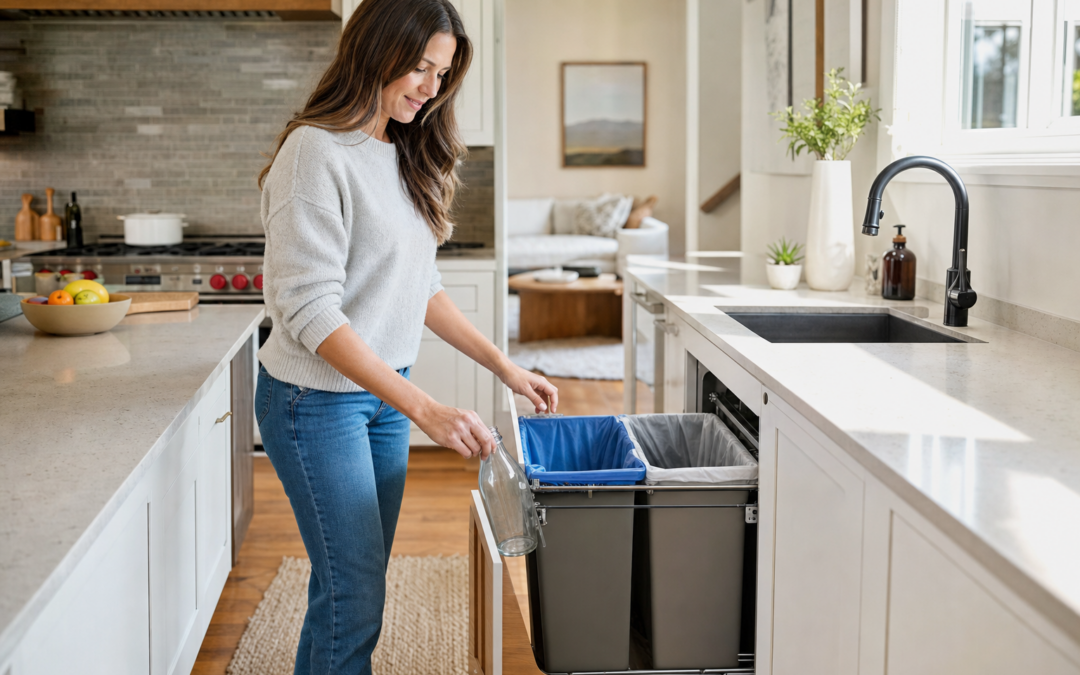
A well-designed kitchen trash and recycling station is one of those upgrades that pays off every single day. If you’re tired of overflowing bins, trash bags that never fit right, or recyclables piling up on the counter, a dedicated station can streamline your kitchen’s workflow and keep messes at bay. The right setup not only makes it easier to sort and dispose of waste, but it also keeps odors under control and simplifies cleaning—no more sticky floors or mystery spills lurking behind the bin.
Many homeowners overlook the importance of thoughtful trash and recycling organization, but the benefits go far beyond appearances. A tidy, well-placed station encourages everyone in the household to sort waste properly, saves time when prepping meals or cleaning up, and can even help you meet local recycling requirements. With a few strategic choices and the right hardware, you can transform this everyday necessity into a functional, low-maintenance feature of your kitchen.
Why a Dedicated Kitchen Trash and Recycling Station Matters
Think of your kitchen trash and recycling setup as a mini command center for waste management. Without an organized system, it’s easy for things to get chaotic quickly—trash bins fill up, recyclables get mixed with garbage, and before you know it, you’re dealing with spills, smells, and clutter. A purpose-built station addresses these issues by:
- Reducing daily messes: Designated bins and liners keep waste contained and out of sight.
- Encouraging recycling: Clear separation makes it simple for everyone to sort correctly.
- Improving kitchen flow: With everything in one spot, you’ll spend less time searching for the right bin or bag.
- Keeping odors in check: Properly fitted lids and easy-to-clean surfaces prevent smells from spreading.
Whether you’re planning a full kitchen remodel or just looking for a quick improvement, upgrading your trash and recycling system is a smart, high-impact move. For more kitchen transformation ideas, visit our kitchen upgrades hub.
Assessing Your Kitchen Space and Needs
The first step to setting up a trash and recycling station that stays clean is an honest assessment of your kitchen layout and household habits. Consider the following:
- Available space: Do you have room in a cabinet for pull-out bins, or do you need a freestanding solution?
- Volume of waste: How much trash and recycling does your household generate daily? This will determine bin size and frequency of emptying.
- Accessibility: Will the station be used by kids, guests, or anyone with mobility issues? Choose a location and mechanism everyone can use comfortably.
- Local recycling rules: Some areas require sorting by material (plastic, paper, glass, etc.), which may mean you need more than two bins.
Sketch out your ideal station and take measurements before you shop for bins or organizers. Remember, a system that fits your space and lifestyle will be easier to keep clean and organized over time.
Choosing the Right Trash and Recycling Bins
The bins you choose are the foundation of your station. Look for containers that are easy to clean, sturdy enough for daily use, and sized appropriately for your family. Key features to consider include:
- Material: Stainless steel resists odors and fingerprints, while heavy-duty plastic is lightweight and easy to wash.
- Lid type: Step pedals, soft-close lids, or touchless options can help control odors and reduce mess when your hands are full.
- Bag compatibility: Standard-size liners avoid frustration and minimize leaks.
- Removable inserts: Make it easy to clean the inside of the bin or switch between trash and recycling as needed.
For built-in solutions, measure your cabinet opening carefully. Many homeowners opt for double pull-out bins to keep trash and recycling together but separated. Here’s a top-rated option to consider:

Rev-A-Shelf Double Pullout Garbage Trash Cans for Kitchen Cabinets Review — Rev-A-Shelf kitchen trash cans gear aimed at buyers who want clear specs before they click through. Key figures include 35, 14.21, 21.65.
Pull-Out vs. Freestanding Stations
One of the biggest choices you’ll make is whether to install a pull-out station inside a cabinet or use freestanding bins. Each style has its pros and cons:
- Pull-out stations: These keep bins hidden, maximize floor space, and protect waste from pets or curious toddlers. Installation typically requires a sturdy cabinet base and a bit of DIY skill. Many models come with soft-close slides and built-in handles for convenience.
- Freestanding bins: Easier to install and move, these are ideal for renters or kitchens with limited cabinet space. Choose models with rubber feet to prevent sliding and with tight-fitting lids to contain smells.
If you want a truly seamless look, a pull-out system is hard to beat. For smaller kitchens or temporary setups, freestanding options are flexible and budget-friendly.
Organizing for Cleanliness and Convenience
An effective station goes beyond just having the right bins—it’s about the overall organization. Here’s how to keep your setup streamlined and simple to maintain:
- Label your bins: Use clear, water-resistant labels so everyone knows what goes where. This is especially helpful for guests or kids.
- Store extra liners nearby: Use a small caddy, dispenser, or even a mounted bag holder inside the cabinet, so you can quickly replace bags without hunting through drawers.
- Add a small cleaning kit: Keep disinfectant wipes or a spray bottle with paper towels close to the station for quick cleanups of drips or spills.
- Use a tray or mat: Placing bins on a washable tray or mat protects your cabinet or floor from leaks and makes deep cleaning much easier.
Adding an organizer to your cabinet can help keep bags, cleaning supplies, and even compostable liners neatly in place. Explore options like this versatile pullout organizer:

Rev-A-Shelf Pullout Kitchen Cabinet Organizer Review — Practical kitchen storage & organization accessories from Rev-A-Shelf, summarized from hub features and listed measurements. Key figures include 5, 22.5, 5.5.
Odor Control Strategies
Nothing undermines a kitchen faster than persistent trash smells. To keep odors in check, incorporate these practical solutions:
- Choose bins with tight-fitting lids: This is your first line of defense against odors escaping into the kitchen.
- Use odor-absorbing products: Baking soda, charcoal filters, or dedicated odor absorbers can be placed at the bottom of the bin or inside the lid.
- Empty bins regularly: Don’t let waste linger—set a schedule for emptying both trash and recycling, even if they’re not full.
- Clean bins often: Wash out your containers with hot, soapy water or a vinegar solution at least once a week to prevent buildup.
For compostable waste, consider a separate, ventilated caddy with a carbon filter to control smells until you can transfer it to an outdoor bin.
Easy-to-Clean Surfaces and Materials
When selecting bins, organizers, or mats for your station, prioritize materials that resist stains and wipe clean with minimal effort. Stainless steel, high-gloss plastic, and silicone mats are all excellent choices. Avoid textured surfaces or seams where crumbs and liquids can collect.
Also, look for bins with removable inner buckets—these make it much easier to wash out sticky messes or to soak away stubborn stains. For cabinet-based stations, a removable tray underneath can catch drips and be tossed in the dishwasher as needed.
For under-cabinet spaces that are tight or awkward, consider stackable or multi-tier organizers to keep cleaning supplies and bags off the floor. Here’s a popular under-sink organizer that can double as a trash station accessory:

Sevenblue Under Sink Organizer with Hooks & Hanging Cup for Kitchen Review — Practical under-sink organizers from Sevenblue, summarized from hub features and listed measurements. Key figures include 200, 50 pounds, 10.6 inches.
Managing Recycling: Bins, Bags, and Sorting
Recycling requirements differ from town to town, but most U.S. communities expect at least a basic separation of trash and recyclables. To keep sorting easy and mess-free:
- Dedicate a bin for recyclables: If space allows, use a separate container for each major material (plastic, glass, paper). Otherwise, use one large bin and sort later.
- Use clear liners or bags: Some municipalities require recyclables to be bagged in clear plastic or left loose. Know your local rules and stock up on the right supplies.
- Rinse containers before recycling: This keeps your bin cleaner and prevents odors. Keep a small brush or sponge nearby for a quick rinse.
- Label or color-code bins: Even a simple sticker or colored lid helps everyone in the household remember where each item belongs.
Consider a multi-bin system with removable inserts for sorting, especially if you have the space for it in a lower cabinet. This can make transfer to your outdoor or curbside bins much more efficient.
Kid- and Pet-Proofing Your Station
If you have small children or pets, your trash and recycling station needs to be both accessible and secure. Here’s how to prevent unwanted messes and keep everyone safe:
- Install childproof latches: For cabinet-based stations, a simple latch or magnetic lock can keep little hands (and paws) out.
- Choose heavy bins: Freestanding bins with a broad, weighted base are harder for pets to tip over.
- Opt for pedal or sensor lids: These make it easier for adults to use hands-free, but are tricky for pets and toddlers to operate.
- Keep bins out of high-traffic areas: Position your station where it won’t be bumped or knocked over during the daily hustle.
Regularly check your station for signs of tampering or wear, and teach kids which bins are for trash, recycling, and compost (if applicable). Consistency helps make waste sorting second nature.
Maintenance Tips for a Clean, Odor-Free Station
Even the best-designed station needs regular upkeep. Here are some habits to help your setup stay fresh, functional, and hassle-free:
- Empty bins before they’re full: Overstuffed bins are more likely to leak, smell, or attract pests.
- Wash bins weekly: Use hot water and mild soap, or a diluted vinegar solution, to remove grime and neutralize odors.
- Disinfect high-touch areas: Wipe down handles, lids, and surrounding surfaces daily, especially during cold or flu season.
- Replace liners promptly: Don’t reuse torn or soiled liners—fresh bags prevent leakage and make emptying easier.
- Inspect for leaks or damage: Cracked bins or broken slides can cause spills. Repair or replace as needed to maintain cleanliness.
Set a reminder on your phone or calendar for weekly deep cleans. Keeping up with maintenance means less scrubbing and fewer unpleasant surprises down the line.
Upgrading Your Station: Smart Features and Accessories
Modern kitchen trash and recycling stations can be enhanced with convenient accessories and smart features:
- Bag dispensers: Mounted inside the cabinet or tucked beside your bins, these keep extra liners handy.
- Touchless lids: Sensor-activated lids reduce contact with germs and make disposal easier when your hands are full.
- Compost caddies: If you compost, a small container with a charcoal filter can be mounted near your main station for easy transfer.
- Slide-out organizers: These keep cleaning supplies, extra bags, and odor absorbers organized and within reach.
Look for accessories that fit your kitchen’s style and your family’s routines. Small upgrades can make a big difference in how pleasant and efficient your trash and recycling setup feels day after day.
Integrating Your Station With Kitchen Design
Your trash and recycling station shouldn’t be an afterthought. With a little planning, it can blend seamlessly with your kitchen decor and layout. Here’s how:
- Choose bins in neutral colors: Stainless steel, white, or black bins suit most kitchen styles and don’t call attention to themselves.
- Install inside a cabinet: If you’re remodeling or have extra space, a pull-out station keeps everything hidden and tidy.
- Use matching hardware: Select handles, slides, and organizers that complement your cabinet hardware for a cohesive look.
- Conceal with cabinetry: Custom cabinet fronts can disguise even large trash stations, making them disappear into your overall design.
If you’re looking to maximize storage while maintaining a clean look, consider a multi-purpose pullout organizer that keeps both waste and cleaning supplies out of sight:

Delamu 2-Tier Multi-Purpose Bathroom Under Sink Organizers and Storage Review — Delamu pull-out organizers gear aimed at buyers who want clear specs before they click through. Key figures include 2 , 8.27, 4 .
Final Thoughts: Making It Work for Your Household
The best kitchen trash and recycling station is one that fits your unique needs and daily routines. By considering your space, choosing easy-to-clean materials, and adding a few smart accessories, you can create a setup that stays clean, controls odors, and encourages everyone to pitch in with disposal and recycling.
Don’t be afraid to tweak your system over time. As your family grows or your local recycling rules change, adjust your bins, organizers, and accessories to keep things running smoothly. With a functional, well-organized station, managing kitchen waste becomes a simple, even satisfying part of your everyday life.
For more inspiration and practical advice on transforming your kitchen, be sure to explore our comprehensive kitchen upgrades hub.
Kitchen Trash & Recycling Station Checklist
Before you begin assembling your kitchen trash and recycling station, use this checklist to ensure you have everything you need for an efficient, tidy, and easy-to-maintain setup:
- Bins: Correct number and size for your household’s trash and recyclables.
- Bin liners: Stock up on the right size and type for your chosen bins.
- Labels or color coding: Clear labels for each bin (trash, recycling, compost, etc.) to help everyone sort properly.
- Odor control: Charcoal filters, baking soda pods, or scented liners to keep smells at bay.
- Cleaning supplies: Disinfectant spray, cleaning cloths, and a small hand broom or vacuum for quick cleanups.
- Gloves: For handling spills or deep cleaning the bins.
- Step stool: If your station is in a higher cabinet or hard-to-reach spot.
- Recycling guide: A printed or posted guide to local recycling rules, if needed.
- Compost bin: (Optional) For food scraps, especially if you garden or have curbside compost pickup.
Gather these items before setting up your station to make the process smooth and ensure nothing is overlooked.
Common Mistakes to Avoid
Even with the best intentions, it’s easy to make mistakes when setting up a trash and recycling station. Here are some pitfalls to watch for:
- Choosing bins that are too small: Undersized bins lead to frequent emptying and overflowing messes. Always size up if in doubt.
- Poor placement: If your station is too far from prep areas or hard to access, it won’t get used correctly. Place it near where most waste is generated.
- Not securing liners properly: Ill-fitting or loose liners can slip down into the bin, causing leaks and messy cleanups. Look for bins with liner-locking features or use elastic bands.
- Ignoring odor control: Skipping deodorizing steps leads to unpleasant smells and a less inviting kitchen.
- Neglecting regular cleaning: Bins need to be cleaned inside and out—waiting until they smell is too late.
- Failing to educate household members: Make sure everyone knows which bin is for what and how to use the station properly.
By sidestepping these common errors, you’ll create a more functional and pleasant kitchen environment.
Maintenance Tips for a Clean Station
Keeping your kitchen trash and recycling station clean doesn’t have to be a chore. With a few simple routines, you can prevent odors, spills, and grime from taking over:
- Empty bins regularly: Don’t wait until they’re overflowing. Establish a daily or every-other-day routine, especially for food waste.
- Wipe down surfaces: Use disinfectant wipes or a damp cloth to clean bin lids, handles, and the surrounding area at least once a week.
- Deep clean monthly: Remove bins, wash with warm soapy water, and let them dry thoroughly before reinserting. This prevents buildup of sticky residue and bacteria.
- Replace odor absorbers: Swap out charcoal filters or baking soda every month to keep smells away.
- Check for leaks: Inspect liners for rips and bins for cracks. Replace as needed to avoid unwanted messes.
- Clean the station area: Sweep or vacuum under and behind the station to catch stray crumbs and debris.
Consistency is key—set reminders if you need to, and involve the whole family to keep the station spotless and ready for daily use.
Frequently Asked Questions About Kitchen Trash & Recycling Stations
How often should I clean my bins?
For most households, a quick wipe-down weekly and a deep clean every month is sufficient. If you notice sticky residue or odors, clean more often.
What’s the best way to control odors?
Use tightly fitting lids, empty bins regularly, and add odor absorbers like charcoal filters or baking soda. Avoid tossing liquids or food scraps directly into the trash if possible—composting helps reduce smells.
Do I need separate bins for every type of recycling?
This depends on your local recycling program. Some areas require sorting by material, while others allow mixed recycling. Check your municipality’s guidelines and adjust your station accordingly.
Can I use regular trash bags for recycling?
Many recycling programs don’t accept recyclables in plastic bags, as they can jam sorting machinery. Use bins without liners or opt for paper bags if your area allows. Always check local rules.
What if I have a small kitchen?
Consider slim, stackable, or under-sink bins. Pull-out systems can maximize small cabinet spaces. Wall-mounted or hanging options are also great for tight quarters.
How do I keep my station pet- and child-proof?
Choose bins with locking lids or install your station inside a cabinet with a child safety latch. Pull-out stations are especially effective for keeping waste out of reach.
Encouraging Good Habits for Long-Term Cleanliness
Even the best-designed trash and recycling station needs cooperation from everyone in the household. Here’s how to foster good habits and keep your station clean for the long haul:
- Post clear instructions: Use labels or a simple chart to remind everyone what goes where.
- Assign responsibilities: Rotate emptying and cleaning duties among household members.
- Lead by example: Model proper sorting and prompt cleanup after spills or overflows.
- Praise consistency: Positive reinforcement makes it more likely your system will stay neat and effective.
With the right setup and ongoing teamwork, your kitchen trash and recycling station can remain clean, organized, and stress-free for years to come.
Our content is researched and drafted with AI assistance and reviewed by our team. Product details come from published specs, manufacturer information and owner reviews.