
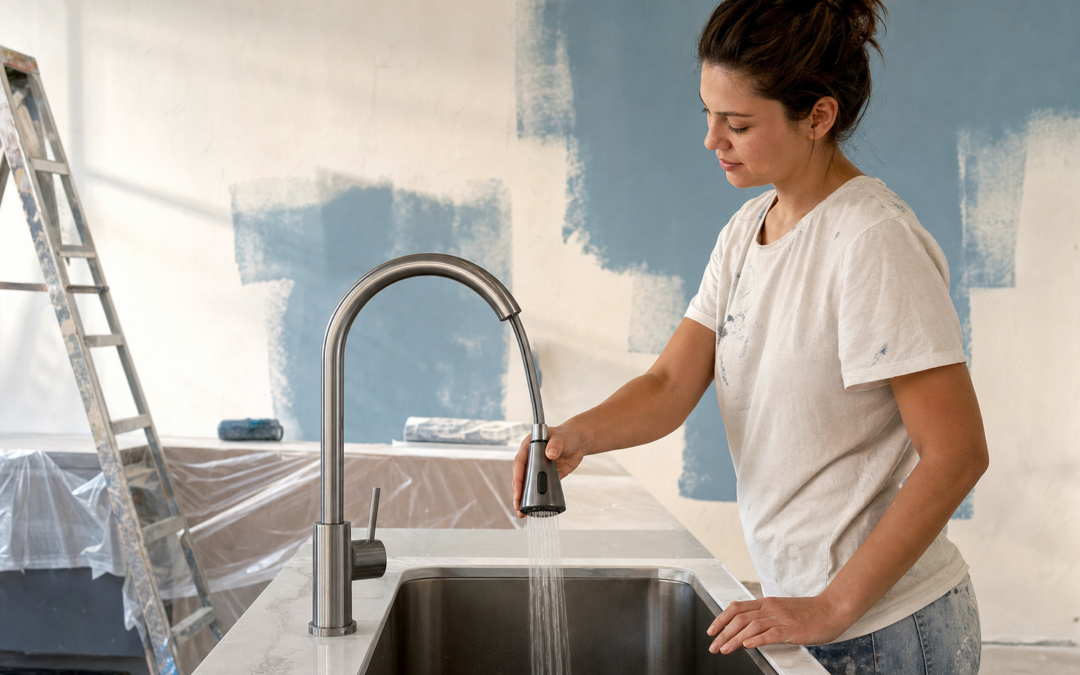
If you have a deep kitchen sink, choosing the right pull-down faucet can make all the difference in daily kitchen tasks. Pull-down faucets are specifically designed to offer extra reach and flexibility, which is especially useful when you need to rinse large pots, fill buckets, or clean every corner of a deep basin. Unlike pull-out or standard fixed faucets, a pull-down model allows you to bring the spray head straight down into the sink, minimizing splashing and maximizing your control.
But with so many models on the market, how do you know which pull-down faucet is best for a deep sink? Factors like hose length, spray power, spout height, and build quality all come into play. In this guide, we’ll break down what to look for, compare top-rated products, and offer installation and maintenance tips tailored to deep sink owners.
If you’re also interested in prepping your kitchen walls while making plumbing upgrades, check out our painting and wall prep hub for tips and product reviews.
Why Pull-Down Faucets Excel with Deep Sinks
Deep sinks are fantastic for washing big cookware, prepping vegetables, or containing splashes. However, their depth can make it tricky to reach every corner or rinse large items if your faucet doesn’t have enough range. Pull-down kitchen faucets provide a vertical spray head that you can extend straight into the sink. This means you don’t have to awkwardly angle cookware or risk water splashing over the rim.
Compared to pull-out faucets (which extend horizontally), pull-down models are better suited for deep sinks. The downward motion matches the sink’s depth, giving you more control. Plus, most pull-down faucets have high arc spouts, creating plenty of clearance for tall pots and pitchers.
Key Features to Look For
Not all pull-down kitchen faucets are created equal—especially when it comes to deep sinks. Here are the most important features to keep in mind:
- Spout Height and Reach: Look for a high arc (usually 8-10 inches or more) to ensure you can fit large items underneath. The reach—the distance from the base to the spray head’s resting spot—also matters for covering all sink zones.
- Hose Length: A longer pull-down hose (20 inches or more) lets you direct water exactly where you need it, even in oversized sinks.
- Spray Modes: Multiple spray settings (stream, spray, pause) offer versatility for different cleaning tasks. An aerated stream is good for filling pots, while a powerful spray helps with rinsing debris.
- Docking Mechanism: Magnetic or weight-assisted docking helps the spray head retract smoothly and stay securely in place after use.
- Build Quality: Solid brass or stainless steel components are more durable and less likely to corrode—important for a frequently used kitchen fixture.
- Spot Resistance: Look for finishes that resist fingerprints and water spots, especially in busy kitchens.
Top Pull-Down Kitchen Faucets for Deep Sinks
After researching dozens of options and considering factors like hose length, spray power, and build quality, we selected a handful of pull-down faucets that stand out for deep sink applications. These models balance performance, durability, and value.

Delta Windemere Chrome Kitchen Faucet with Side Sprayer Review — DELTA touch on kitchen sink faucets gear aimed at buyers who want clear specs before they click through. Key figures include 4, 8 in, 500.

Moen Adler Spot Resist Stainless One-Handle High Arc Pulldown Kitchen Review — An editorial look at this Moen option for kitchen sink faucets — specs first, marketing second. Key figures include 50 , 24.7, 7.5 .
Installation Considerations for Deep Sinks
Installing a pull-down faucet on a deep sink isn’t much harder than on a standard sink, but there are a few unique considerations to keep in mind:
- Mounting Hole Spacing: Measure your sink’s pre-drilled holes. Many pull-down faucets fit single-hole or three-hole setups, but the escutcheon plate (deck plate) may be required for multi-hole sinks.
- Countertop Thickness: Deep sinks often pair with thicker countertops. Make sure the faucet’s shank (the threaded part that goes through the counter) is long enough for your setup.
- Clearance Behind the Faucet: Pull-down handles need enough space to rotate backward. Check for backsplash or wall interference, especially if your deep sink is close to a wall.
- Hose Weight Placement: The pull-down hose uses a weight or magnet to retract. Ensure there’s enough space under the sink for the weight to move freely without hitting plumbing or cabinetry.
Always follow the manufacturer’s installation guide, and consider consulting a plumber if your existing hookups need modification.
Comparing Pull-Down vs. Pull-Out Faucets for Deep Sinks
It’s important to distinguish between pull-down and pull-out faucets, especially when you have a deep sink. Pull-down faucets feature a high arc spout and a spray head that pulls downward—ideal for deep basins. Pull-out faucets, on the other hand, typically have a shorter spout and a spray head that pulls out horizontally.
While pull-out models work well for shallow or double-basin sinks, they often lack the vertical reach needed for deep sinks. Pull-down faucets allow you to bring the spray directly to the bottom of the basin, making rinsing and cleaning more effective and reducing splash outside the sink.
Spray Modes and Water Efficiency
Most modern pull-down faucets offer multiple spray settings, such as stream, spray, and sometimes pause. For deep sinks, a powerful spray helps dislodge food debris from corners, while an aerated stream is excellent for filling deep pots without splashing. Some models also include a pause button, letting you stop the flow while moving between tasks—helpful for water conservation.
Look for models with WaterSense or other water efficiency certifications if you want to reduce water usage without sacrificing cleaning power. Efficient faucets typically use 1.5 to 2.2 gallons per minute, compared to older models that may use more.
Material and Finish Options
The finish you choose affects both the faucet’s appearance and its resistance to stains and fingerprints. Chrome, stainless steel, matte black, and brushed nickel are popular choices. For deep sinks that see heavy use, spot-resistant finishes are a major plus—they minimize cleaning time and keep your faucet looking fresh.
Solid brass or stainless steel construction is ideal for durability. Plastic components, commonly found in budget faucets, may not hold up as well over time, especially under frequent use and exposure to water in deep sinks.
Maintenance and Cleaning Tips
Deep sinks and high-use faucets require regular maintenance to stay in top shape. Here are some practical tips:
- Wipe Down Regularly: Use a soft cloth to remove water spots and prevent mineral buildup, especially on chrome or stainless finishes.
- Clean the Aerator: Unscrew the spray head periodically to clear out debris that can clog the aerator and reduce flow.
- Check for Leaks: Inspect hose connections and the base of the faucet for leaks or drips, which can cause damage over time.
- Use the Right Cleaners: Avoid abrasive pads or harsh chemicals that can scratch or dull the finish. Mild soap and water usually do the trick.
- Inspect Hose and Weight: Make sure the pull-down hose and weight are moving smoothly and aren’t catching on anything under the sink.
How to Prevent Splashing in Deep Sinks
One of the main advantages of pull-down faucets is their ability to control water flow and reduce splashing, a common issue in deep sinks. Here’s how to minimize mess:
- Adjust Water Pressure: Start with a lower pressure and increase as needed. High pressure can cause water to bounce off deep sink walls.
- Use Spray Mode: The spray setting distributes water more evenly, helping to rinse items without creating a big splash zone.
- Position the Spray Head: Hold the spray head close to the item you’re cleaning, especially when washing large pots or pans.
- Angle Large Items: Tilt cookware or cutting boards so water runs off into the base of the sink, not up the walls.
Many pull-down faucets also offer a pause button, allowing you to stop the flow when moving items around the sink or between tasks.
Choosing the Right Faucet for Your Kitchen Style
While function is crucial, style matters too. Pull-down kitchen faucets come in a range of designs from classic to modern. Here’s how to match your faucet to your kitchen:
- Traditional Kitchens: Opt for curved spouts and detailed handles in polished chrome or oil-rubbed bronze finishes.
- Modern Kitchens: Go for sleek, minimalist lines and finishes like matte black or brushed stainless.
- Transitional Styles: Look for a blend of classic and contemporary elements, such as a simple spout with elegant lever handles.
Consider matching your faucet finish to cabinet hardware, lighting fixtures, or appliances for a cohesive look. Some pull-down faucets also come with side sprayers or soap dispensers for added convenience and style.

Moen Idora Chrome Two-Handle Centerset Bathroom Sink Faucet with Drain Review — Practical touch on faucets from Moen, summarized from hub features and listed measurements. Key figures include 4, 84115, 4 Inch.
Frequently Asked Questions
- Do pull-down faucets fit all deep sinks?
Most pull-down kitchen faucets are designed for standard sink mounting holes (usually 1-3 holes). However, always check the spout height and reach to ensure it suits your deep sink. Some very large or commercial-style sinks may require a specialty faucet. - Can I install a pull-down faucet myself?
Many homeowners can install a pull-down faucet with basic tools, especially if you’re replacing an existing faucet. However, if your plumbing is outdated or you’re unsure about the process, hiring a licensed plumber is a good idea. - Are pull-down faucets more prone to leaks?
Not necessarily. Quality models with solid brass or stainless steel construction are very reliable. Leaks often occur when hoses or connections become loose, so regular inspection and proper installation are key. - What’s the best way to clean a pull-down faucet?
Use a soft, damp cloth and mild soap. Avoid abrasive cleaners or pads. For mineral buildup, a little white vinegar can help dissolve deposits without damaging the finish.
When to Replace Your Kitchen Faucet
Even the best pull-down faucet won’t last forever. Signs it’s time to replace your kitchen faucet include:
- Persistent leaks or drips that don’t resolve with new washers or seals
- Reduced water pressure not caused by supply lines or aerator clogs
- Corrosion, rust, or visible cracks in the faucet body
- Difficulty retracting the pull-down hose or docking the spray head
- Outdated style or finish that no longer matches your kitchen
If you notice any of these issues, upgrading to a new pull-down faucet can improve both the function and appearance of your kitchen—especially when paired with a deep sink.
Conclusion: Making the Most of Your Deep Sink with a Pull-Down Faucet
Choosing the right pull-down kitchen faucet can transform how you use your deep sink. With the proper spout height, hose length, and spray features, these faucets make cleanup easier, reduce mess, and let you tackle big kitchen jobs with less hassle. Don’t forget to consider installation factors and finish durability, especially if your kitchen sees heavy daily use.
For more expert guidance on kitchen upgrades, prepping your walls, or other home improvements, be sure to explore our painting and wall prep resources. With the right tools and know-how, you can make every part of your kitchen work harder and look better.
Deep Sink Pull-Down Faucet Checklist
Before making a purchase, use this checklist to ensure your new pull-down faucet will meet the unique needs of your deep kitchen sink:
- Measure Sink Depth: Confirm the vertical clearance from the countertop to the bottom of your sink. This will help you choose a spout height that offers enough space for large pots and pans.
- Check Cabinet Space: Deep sinks often require taller faucets, so make sure you have enough clearance between the countertop and any overhead cabinets or shelves.
- Review Mounting Holes: Determine how many mounting holes your sink or countertop has. Most pull-down faucets require a single hole, but some can be adapted for three-hole setups with included escutcheons.
- Assess Water Pressure: Deep sinks can make low water pressure more noticeable. Check your home’s water pressure and look for faucets with good flow rates (1.8–2.2 GPM is typical).
- Consider Hose Length: Opt for a hose at least 20 inches long for maximum flexibility in a deep basin.
- Spray Head Docking: Ensure the faucet has a reliable magnetic or weighted docking system to keep the spray head secure.
- Finish & Style: Choose a finish that matches your kitchen décor and resists smudges, spotting, and corrosion.
- Warranty: Look for faucets with a solid warranty, especially for moving parts and finishes.
Common Mistakes When Choosing or Installing Pull-Down Faucets
Even experienced DIYers and homeowners can run into trouble with pull-down faucets for deep sinks. Avoid these common pitfalls:
- Ignoring Spout Height: A spout that’s too low will make it difficult to fit large items under the faucet, defeating the purpose of a deep sink.
- Overlooking Hose Reach: Short hoses may not reach all corners of a deep basin, limiting the faucet’s functionality.
- Choosing the Wrong Mount: Not all faucets fit every sink. Double-check the number and placement of mounting holes before buying.
- Neglecting Water Pressure: Some pull-down faucets require higher water pressure to function optimally, especially for spray modes. Test your pressure before installing.
- Poor Weight Installation: The weight that helps retract the hose must be correctly positioned and unobstructed under the sink. Make sure cabinet contents don’t interfere.
- Skipping Leak Checks: Always check all connections for leaks after installation. Even a small drip can cause cabinet damage over time.
- Not Flushing Supply Lines: Failing to flush out supply lines before connecting your new faucet can lead to clogs or damage from debris.
Maintenance Tips for Pull-Down Faucets
Proper maintenance will keep your pull-down faucet looking great and working smoothly for years, even with the heavy use that deep sinks often see:
- Clean the Spray Head Regularly: Mineral deposits can clog spray nozzles, especially in areas with hard water. Soak the spray head in a 1:1 solution of vinegar and water to dissolve buildup, or wipe gently with a soft cloth.
- Inspect the Hose: Periodically pull out the spray hose and check for wear, cracks, or leaks. Replace if you notice any damage.
- Check the Docking Mechanism: Make sure the magnetic or weighted docking system is functioning properly and that the spray head snaps back into place easily.
- Wipe Down the Finish: Use a mild soap and water solution to clean the faucet body. Avoid abrasive cleaners that can damage the finish or cause spotting.
- Tighten Connections: Every few months, check under the sink to ensure all connections remain secure and there are no signs of moisture or leaks.
- Replace Cartridges as Needed: If you notice dripping or difficulty moving the handle, the internal cartridge may need replacement—refer to your faucet’s manual for instructions.
Regular maintenance not only extends the life of your faucet, it also keeps your kitchen more hygienic and efficient.
Frequently Asked Questions About Pull-Down Faucets for Deep Sinks
Will a pull-down faucet fit my older, deep farmhouse sink?
Most modern pull-down faucets are designed for compatibility with a wide range of sinks, including older farmhouse designs. The key is to check your sink’s mounting hole configuration and measure the available space for spout height and handle movement. If your farmhouse sink has a thick deck or apron, make sure the included mounting hardware is long enough or purchase an extended kit.
How do I prevent splashing with a deep sink and high-arc faucet?
Splashing can be minimized by choosing a faucet with adjustable spray modes and a longer hose for targeted rinsing. Use the aerated stream setting for filling and the spray mode for cleaning. Position the spray head closer to the items being washed to reduce the force of water hitting the bottom of the sink.
Are touchless pull-down faucets a good option for deep sinks?
Yes, touchless or motion-activated pull-down faucets are especially convenient for deep sinks, as they allow you to turn the water on and off without touching the handle—great for messy hands or when handling large pots. Just make sure to check the sensor placement and power requirements (battery or AC adapter) before installing.
What’s the difference between a pull-down and a pull-out faucet?
Pull-down faucets feature a spray head that extends downward from a high-arc spout, making them ideal for deep basins. Pull-out faucets, by contrast, have a shorter spout and the spray head pulls out toward you horizontally. For deep sinks, pull-down models generally provide better reach and ergonomics.
How long should the hose be for a deep sink?
For deep sinks, a hose length of at least 20 inches is recommended. This allows you to reach all corners and even extend the spray head outside the sink for tasks like filling buckets or watering plants.
How often should I replace the spray head or hose?
With regular cleaning and care, most spray heads and hoses will last for several years. Replace them if you notice leaks, loss of pressure, or visible wear. Many manufacturers offer replacement parts that are easy to install.
Can I install a pull-down faucet myself?
Yes, most homeowners with basic plumbing skills can install a pull-down faucet. Just be sure to follow the manufacturer’s instructions carefully, use the right tools, and check all connections for leaks. If your plumbing is outdated or you run into issues, consider hiring a professional plumber.
Is it worth buying a more expensive pull-down faucet?
Higher-end models often feature better build quality, smoother operation, longer warranties, and more advanced spray functions. For a deep sink that sees heavy use, investing in a quality faucet can save money and hassle over time by reducing maintenance and the need for replacements.
Expert Tips for Getting the Most from Your Pull-Down Faucet
- Use the Pause Button: Many pull-down faucets feature a pause button on the spray head—use it to move between tasks without shutting off the main handle, reducing water waste.
- Rotate the Spout: Take advantage of spouts that swivel 360 degrees to access all areas of your deep sink or even fill containers on the countertop.
- Install a Water Filter: If your water is hard or has a strong taste, consider adding an under-sink filter to extend the life of your faucet and improve water quality.
- Keep the Area Under the Sink Clear: Avoid storing bulky items directly under the faucet to prevent interference with the hose and weight mechanism.
- Register Your Faucet: Registering with the manufacturer ensures you can take full advantage of warranty and customer service support.
Our content is researched and drafted with AI assistance and reviewed by our team. Product details come from published specs, manufacturer information and owner reviews.