

Upgrading your shower experience can be as simple as switching to a handheld showerhead, especially if you’re prioritizing better water pressure and accessibility. Unlike fixed showerheads, handheld models offer flexibility—making daily routines like rinsing hair, bathing kids or pets, and cleaning the shower much easier. With advancements in design, today’s best handheld showerheads deliver powerful spray options without sacrificing comfort or efficiency.
For homeowners seeking to optimize both water pressure and accessibility, the right handheld showerhead can make a significant difference. Whether you’re outfitting a family bathroom, upgrading for mobility needs, or just want a more versatile shower, there are excellent options to fit nearly any preference. If you’re also working on a broader bathroom or garage storage project, check out our garage storage hub for related tips and product recommendations.
Why Choose a Handheld Showerhead?
Handheld showerheads offer unique benefits over traditional fixed models. The key advantage is mobility: the detachable hose and adjustable head allow you to direct the spray exactly where you need it. This is especially helpful for:
- Rinsing hard-to-reach areas – Great for thorough cleaning, especially for those with limited mobility.
- Bathing children or pets – Easier to control water flow and minimize mess.
- Cleaning the shower or tub – Rinsing down walls and corners is much simpler with a handheld unit.
- Multiple spray settings – Many models include massage, rain, and mist modes for a personalized shower experience.
Handheld models are also popular in homes where accessibility is a concern, such as for seniors or anyone with physical limitations, since they reduce the need to move and stretch within the shower stall.
How Handheld Showerheads Improve Water Pressure
One of the most common complaints about showerheads is weak water pressure. Modern handheld showerheads address this by using innovative nozzle designs, pressure-boosting technology, and adjustable settings. You’ll find options that maximize spray force even in homes with lower incoming water pressure, ensuring a satisfying and efficient shower.
Some models feature “power wash” or “turbo” settings for deep rinsing, while others use air-induction or micro-nozzle technology to amplify the sensation of pressure without increasing actual water usage. Be sure to check the product’s gallon-per-minute (GPM) rating and user reviews for real-world performance insights.
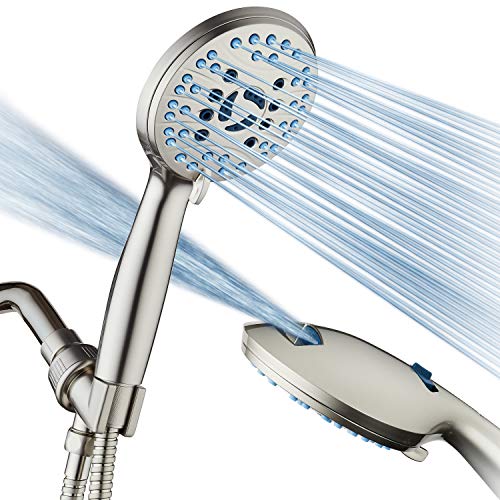
AquaCare 8-mode High Pressure Handheld Shower Head with 2-mode Power Wash Review — A Hotel Spa pick in Handheld Showerheads that focuses on real-world usability Key figures include 8, 5, 24.
Key Features to Look For in a Handheld Showerhead
When shopping for a handheld showerhead, consider the following features to get the most value and usability:
- Spray Settings: Look for models with multiple spray patterns (e.g., massage, rain, mist, jet) to suit different needs.
- Hose Length: Standard hoses are about 60 inches, but longer hoses (up to 80 inches) provide more reach—ideal for accessibility or cleaning.
- Water Pressure: Check for pressure-boosting technology or user feedback on actual spray strength.
- Mounting Bracket: Adjustable or multi-angle brackets make it easier to position the showerhead for hands-free use.
- Durability: Stainless steel or reinforced hoses, solid brass fittings, and sturdy ABS plastic heads last longer under daily use.
- Easy Installation: Most handhelds install without tools, but some require Teflon tape or a wrench—review instructions before buying.
- ADA Compliance: For homes with accessibility needs, check for models with ADA-compliant features, such as easy-grip handles and secure docking.
Additionally, consider any unique requirements for your household, such as compatibility with existing plumbing or water filtration systems.
Installation Tips and Common Challenges
Most handheld showerheads are designed for DIY installation and can be swapped with a fixed head using basic tools. Here’s how to make the process smooth:
- Turn off the water supply at the shower control.
- Unscrew the old showerhead using an adjustable wrench, if needed.
- Clean the threaded pipe and apply new Teflon tape to ensure a tight seal and prevent leaks.
- Attach the mounting bracket (holder) and tighten by hand.
- Connect the hose to the bracket and then to the handheld head, making sure washers are in place.
- Hand-tighten all connections, then check for leaks with the water running.
Potential challenges:
- Old or corroded fittings may require extra effort or cleaning.
- Incompatibility with unusual pipe threads—use adapters if necessary.
- Leaky connections—usually solved by reapplying Teflon tape or tightening connections more firmly.
Most homeowners can complete the swap in under 20 minutes. If you’re unsure, consult the product manual or a professional plumber.
Best Handheld Showerhead Picks for Pressure and Accessibility
After reviewing top-rated options, these models stand out for their balance of strong water pressure, versatile spray settings, and user-friendly design. Each is suitable for different needs and budgets, but all deliver reliable performance and accessibility.

Delta 6-Setting Chrome Shower Head with High Pressure Spray Review — Practical fixed showerheads from DELTA, summarized from hub features and listed measurements. Key figures include 2 , 52535, 1.

Moen Ignite Chrome Five-function Shower Head With 2.5 GPM High-Pressure Spray Review — Practical fixed showerheads from Moen, summarized from hub features and listed measurements. Key figures include 2.5 , 20090, 1.
Maintaining Your Handheld Showerhead for Longevity
Even the best handheld showerheads require simple maintenance to keep performing at their best. Mineral buildup from hard water can clog nozzles over time and reduce spray quality. Here’s how to keep your showerhead in top condition:
- Wipe down after use to minimize soap scum and water spots.
- Descale monthly by soaking the head in a solution of equal parts white vinegar and water for 30-60 minutes. Scrub gently with a soft brush.
- Check hose and connections for leaks or cracks; replace washers if needed.
- Inspect spray settings to ensure all modes work smoothly—move the selector dial back and forth periodically.
Routine care helps prevent clogs and prolongs the life of your showerhead, especially if you have hard water. Some models offer self-cleaning nozzles, which can cut down on maintenance time.
Accessibility Features: What to Look For
Handheld showerheads can make daily hygiene much easier for individuals with mobility challenges, seniors, or anyone recovering from injury. Look for these features to maximize accessibility:
- Lightweight design – Reduces arm fatigue during use.
- Ergonomic grip – Non-slip handles are easier to hold, especially with wet hands.
- Long hose – Provides greater reach for seated showers or use in walk-in tubs.
- Adjustable mounting bracket – Allows for hands-free operation at varying heights.
- Easy-to-turn spray selector – Large dials or levers are ideal for users with reduced hand strength.
Some premium models offer magnetic docking systems or push-button controls for even greater convenience. If accessibility is your main concern, prioritize these features during your selection process.
Comparing Materials: Metal vs. Plastic Handheld Showerheads
The most common materials for handheld showerheads are ABS plastic and stainless steel, often with chrome or brushed nickel finishes. Here’s how they compare:
- ABS Plastic: Lightweight, affordable, and resistant to corrosion. Modern ABS is durable, but can crack if dropped repeatedly.
- Stainless Steel: Heavier but more robust, with a premium feel. Best for hoses and fittings, but sometimes more expensive.
- Brass Fittings: Found in higher-end models, brass resists corrosion and wear, especially at connection points.
- Chrome Coating: Improves appearance and resists tarnishing, but can chip over time if the base material is low quality.
For most households, a well-made ABS handheld showerhead with a stainless steel hose offers a good balance of durability and ease of use. If your shower sees heavy daily use, consider investing in a model with metal fittings and reinforced hose connections.
Water Efficiency and Flow Rate Considerations
Federal guidelines limit showerheads to a maximum flow rate of 2.5 GPM (gallons per minute), but many states and cities require lower rates—often 2.0 or 1.8 GPM. When shopping, check the product’s stated flow rate and consider your area’s restrictions. Lower-GPM models can still provide strong pressure thanks to nozzle engineering.
Some handheld showerheads offer a pause button or “eco” setting to reduce water use while lathering or shaving. This can save water without sacrificing the quality of your shower. If you’re concerned about water bills or sustainability, look for WaterSense-labeled products.
Handheld Showerheads for Special Uses
Beyond everyday showers, handheld heads are useful for:
- Pet washing – Direct the spray where needed and avoid frightening your pet with overhead water.
- Accessible bathing – Essential for caregivers assisting others with limited mobility.
- Shower cleaning – Rinse soap and debris from walls, doors, and floors more effectively than with a cup or bucket.
- Filling buckets or cleaning tools – Handy in utility rooms or garages equipped with a shower or utility sink.
If you use your shower for multiple purposes, prioritize models with flexible hoses, secure mounting, and easy-to-use spray selectors.
Frequently Asked Questions About Handheld Showerheads
- Can I use a handheld showerhead in a rental? Yes—most install without damaging existing plumbing and can be removed when you move out. Just keep the original head for reinstallation.
- Will a handheld showerhead fit my current shower arm? Nearly all models use standard 1/2-inch NPT threads, which fit most US showers. Double-check before ordering if your home has custom plumbing.
- Is a separate diverter needed for tub/shower combos? Some setups require a diverter valve to switch between tub spout and showerhead. Many handheld kits include this, but verify before purchase.
- Can these heads be used in outdoor showers? Yes, but choose models with UV-resistant materials and stainless steel hoses for improved longevity outdoors.
- How do I improve water pressure if my home has low pressure? Look for “high-pressure” or “power wash” models, and regularly clean your showerhead to prevent mineral buildup.
Final Thoughts and Choosing the Right Handheld Showerhead
Handheld showerheads provide unmatched flexibility, accessibility, and ease of use compared to fixed models. Whether you want a spa-like experience, need an accessible solution, or simply crave better water pressure, there’s a model to fit your needs and budget. Focus on key features like spray settings, hose length, material quality, and ease of installation for the best results.
For more home improvement ideas—including bathroom and garage storage solutions—explore our guides and product reviews to find the right upgrades for your space. With the right handheld showerhead, you can transform your daily routine into a more comfortable, efficient, and enjoyable experience.
Handheld Showerhead Selection Checklist
To make sure you’re choosing the best handheld showerhead for your needs, use this practical checklist before making a purchase:
- Assess Your Water Pressure: Know your home’s water pressure. If it’s low, prioritize models with pressure-boosting features.
- Measure Hose Length: Consider who’ll use the shower. For accessibility or cleaning, a longer hose (72–80 inches) is often best.
- Check Spray Settings: Decide if you want basic or multiple settings (massage, rain, mist, etc.). More options can please everyone in the household.
- Evaluate Mounting Options: Does the bracket adjust for height and angle? Is it secure and easy to use one-handed?
- Material Quality: Look for stainless steel, brass, or reinforced plastic for durability, especially if you have hard water.
- Installation Requirements: Confirm if you need tools or tape, and check that your plumbing is compatible with standard connections.
- Accessibility Features: If needed, choose ADA-compliant models with ergonomic grips or extra-long hoses.
- Warranty & Support: Consider brands with solid warranties and responsive customer service in case issues arise.
Reviewing these points before you buy will help you avoid common pitfalls and ensure your new showerhead fits your home and lifestyle.
Common Mistakes When Choosing or Installing a Handheld Showerhead
Even though handheld showerheads are generally easy to select and install, there are a few frequent mistakes homeowners make:
- Ignoring Water Pressure Compatibility: Choosing a low-flow model for a home with already weak pressure can make your shower less enjoyable.
- Overlooking Hose Length: A short hose limits flexibility, especially for those with accessibility needs or for cleaning large tubs.
- Skipping Teflon Tape: Not sealing the threads with Teflon tape can lead to leaks at the connections.
- Overtightening Fittings: Applying too much force can crack plastic parts or strip threads—always hand-tighten first.
- Missing Mounting Bracket Quality: Flimsy or poorly designed brackets can break or fail to hold the showerhead at the desired angle.
- Ignoring Maintenance Requirements: Some models with many tiny nozzles can clog quickly in areas with hard water.
- Assuming Universal Fit: Not all shower arms or plumbing fixtures are the same—double-check compatibility with your setup.
Avoiding these mistakes will help you enjoy a leak-free, high-performing handheld showerhead for years to come.
Maintenance Tips for Long-Lasting Performance
To keep your handheld showerhead operating at peak efficiency, regular maintenance is essential. Here’s how to extend its lifespan and ensure optimal water flow:
- Regular Cleaning: Wipe down the showerhead and hose weekly to remove soap scum and mineral deposits.
- Descale Nozzles: If you notice uneven spray or reduced pressure, soak the showerhead in a solution of equal parts white vinegar and water for 30–60 minutes, then scrub with a soft brush.
- Check for Leaks: Inspect hoses and connections every few months. Tighten any loose fittings and replace washers as needed.
- Replace Washers and Seals: If you notice persistent dripping, the internal washers may need replacement—these are inexpensive and easy to swap.
- Inspect Hose for Cracks: Over time, hoses can develop cracks or kinks. Replace if you see any signs of wear to prevent leaks or bursts.
- Clean Filters (if equipped): Some handheld models include built-in filters to trap sediment. Clean or replace these according to the manufacturer’s instructions.
- Store Properly: Always dock the showerhead securely after use to prevent it from falling and cracking.
With these simple steps, you’ll keep your handheld showerhead working smoothly and avoid performance issues caused by mineral build-up or worn-out components.
Frequently Asked Questions About Handheld Showerheads
Do handheld showerheads increase water pressure?
While handheld showerheads can’t physically increase your home’s water pressure, many are designed to amplify the sensation of pressure using focused spray patterns or air-induction technology. Models labeled as “high-pressure” can deliver a more invigorating shower experience even in homes with average or slightly low water pressure.
Can I install a handheld showerhead myself?
Yes, most handheld showerheads are designed for DIY installation using basic household tools. Typically, you’ll just need to unscrew your old showerhead, clean the threads, wrap with Teflon tape, and hand-tighten the new unit. Always read the manufacturer’s instructions before beginning.
Are handheld showerheads good for accessibility?
Absolutely. Handheld models are ideal for those with limited mobility, seniors, or anyone who needs to sit while bathing. Look for features such as lightweight heads, ergonomic grips, and extra-long hoses to maximize accessibility and comfort.
How do I prevent my handheld showerhead from leaking?
Leaks are often caused by loose connections or worn washers. Ensure all fittings are hand-tightened and use Teflon tape on threaded areas. If leaks persist, inspect and replace washers or O-rings as needed.
What’s the best way to clean a handheld showerhead?
For regular cleaning, wipe the surface with a damp cloth. To remove mineral deposits, detach the showerhead and soak it in vinegar and water. For stubborn clogs, gently poke the nozzles with a soft brush or toothpick.
Do I need a plumber to switch to a handheld model?
In most cases, no. Handheld showerheads are designed for easy installation and don’t require specialized plumbing skills. However, if your plumbing is outdated or you encounter issues, a professional can help ensure a safe and secure fit.
Are all hoses and brackets universal?
Most modern handheld showerheads use standard 1/2-inch connections, but some exceptions exist. Always check the specifications and measure your existing fittings before purchasing. If in doubt, bring your old hose or bracket to a hardware store for comparison.
How often should I replace my handheld showerhead?
With proper maintenance, a quality handheld showerhead can last 5 to 10 years or longer. Replace sooner if you notice persistent leaks, cracks, or a significant drop in performance that cleaning can’t fix.
Can I use a handheld showerhead with a shower filter?
Yes, many handheld models are compatible with in-line shower filters. Just ensure the filter and showerhead use matching thread sizes, and be aware that some filters may slightly reduce water pressure.
Advanced Tips for Getting the Most from Your Handheld Showerhead
Once you’ve installed your new handheld showerhead, try these advanced tips to enhance your shower experience:
- Experiment with Spray Patterns: Switch between settings to find the ideal balance for rinsing hair, soothing muscles, or gentle bathing.
- Use for Cleaning: Take advantage of the handheld feature to rinse down walls, bathe pets, or fill buckets with precision.
- Adjust Water Temperature Efficiently: With the flexible head, you can test water temperature away from your body to avoid scalding or chilly surprises.
- Combine with a Slide Bar: Add a wall-mounted slide bar for adjustable height—perfect for families with users of varying heights or for seated showers.
- Install a Diverter Valve: If you want to keep your fixed showerhead too, a diverter valve lets you switch between heads or use both at once.
- Check for Flow Restrictors: Some models include removable flow restrictors; removing them (where legal) can boost pressure but may increase water usage.
Personalizing how you use your handheld showerhead ensures you get the most comfort, accessibility, and value from your investment.
Our content is researched and drafted with AI assistance and reviewed by our team. Product details come from published specs, manufacturer information and owner reviews.