
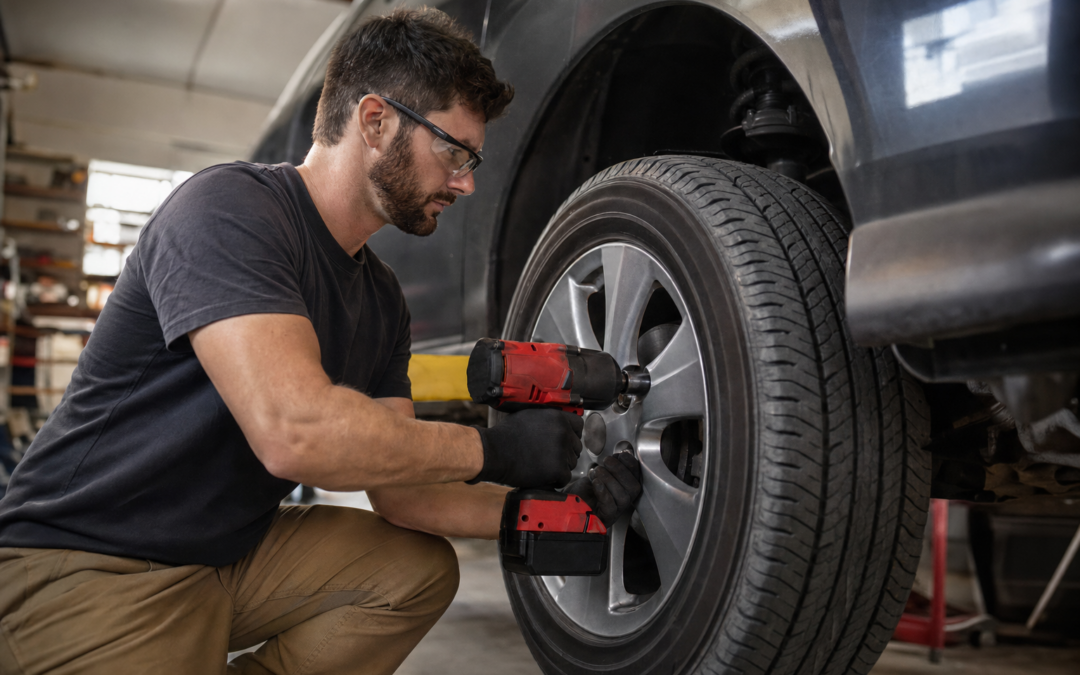
If you’re a dedicated DIYer or a car enthusiast who loves tackling home projects and auto repairs, a powerful impact wrench can be a true game changer. Whether you’re changing tires in your driveway or working on stubborn fasteners in your garage, cordless impact wrenches deliver torque and mobility that basic drill/drivers can’t match. These tools make short work of lug nuts, rusted bolts, and heavy-duty tasks — all without the need for an air compressor or tangled cords.
Choosing the right cordless impact wrench, though, can be confusing. With dozens of models and specs to compare, it’s important to know what features matter most for home and auto work. This guide breaks down everything you should consider, from voltage and torque ratings to battery life and ergonomics. We’ll also spotlight top-rated picks and help you choose the best fit for your needs and budget.
Why Choose a Cordless Impact Wrench?
Cordless impact wrenches have exploded in popularity thanks to advances in lithium-ion battery technology and brushless motors. Unlike corded or pneumatic (air) models, cordless versions give you complete freedom of movement and are ready to use anywhere — no outlets or air hoses required.
- Portability: Take your wrench anywhere, from driveway to jobsite to remote roadside repairs.
- Ease of use: No need to fuss with compressors or electrical cords. Just pop in the battery and you’re ready to work.
- Sufficient power: Today’s 18V and 20V cordless impact wrenches can deliver enough torque for most automotive and heavy-duty DIY tasks.
For more on other essential power tools for DIYers, see our complete power tools hub.
Impact Wrench vs. Drill/Driver: What’s the Difference?
It’s a common point of confusion: why not just use a drill/driver for bolts and lug nuts? While both tools spin sockets, an impact wrench is purpose-built for high-torque tasks. The key difference lies in the mechanism:
- Impact wrenches deliver sudden, powerful bursts (impacts) of torque using an internal hammering system. This allows them to loosen or tighten fasteners that a drill/driver simply can’t budge.
- Drill/drivers are better for drilling holes or driving screws, but they lack the torque and impact action needed for automotive and heavy-duty work.
If you’ve ever tried to remove a rusted lug nut with a drill/driver, you know the frustration. An impact wrench is the right tool for the job when brute force is required.
Key Features to Consider When Buying a Cordless Impact Wrench
Before you add a new tool to your arsenal, keep these critical features in mind:
- Voltage: Most cordless impact wrenches for home and auto use are 18V or 20V. Higher voltage typically means more power.
- Torque: Measured in foot-pounds (ft-lbs) or inch-pounds (in-lbs), torque determines the tool’s ability to loosen/tighten tough fasteners. For general DIY and car work, look for at least 150–250 ft-lbs of max torque.
- Drive size: 1/2-inch is the standard for car and home jobs, fitting most sockets. 3/8-inch drives are lighter and good for smaller fasteners.
- Battery system: Consider battery capacity (Ah) and compatibility with other tools you own. Extra batteries are a smart investment for big projects.
- Weight and ergonomics: A lighter, well-balanced tool reduces fatigue, especially when working overhead or in tight spaces.
- Variable speed and control: Multiple speed settings and a comfortable trigger help you finesse delicate jobs and avoid over-tightening.
- LED lights: Built-in work lights are invaluable for dark engine bays and undercar repairs.
Top Cordless Impact Wrench Picks for Home and Auto Use
The following cordless impact wrenches consistently earn high marks for power, reliability, and value. Each offers a solid blend of torque, battery life, and usability for DIYers and mechanics alike. We recommend reviewing the specs and considering your own needs — such as intended use, tool weight, and battery platform — before making your choice.
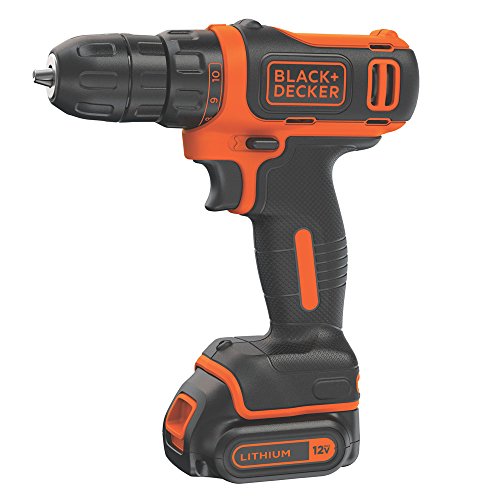
BLACK+DECKER 12V MAX Cordless Drill/Driver Review — Practical drill drivers from BLACK+DECKER, summarized from hub features and listed measurements. Key figures include 11 , 9.38 , 2.8 pounds.

DEWALT 20V MAX* Cordless Drill/Driver Kit with Screwdriver/Drill Bit Set Review — DEWALT drill drivers gear aimed at buyers who want clear specs before they click through. Key figures include 300 , 100, 1.

DEWALT Tool Bag, Electrician Tote, Tool Storage and Organization, Durable Review — DEWALT tool bags gear aimed at buyers who want clear specs before they click through. Key figures include 1680 , 34 , 10 .
How Much Torque Do You Really Need?
One of the most common questions is, “How much torque is enough for home and car work?” The answer depends on your typical projects:
- Tire changes and lug nuts: Most passenger car lug nuts require 80–100 ft-lbs to tighten, but breaking them loose may take 150–200 ft-lbs, especially if they’re rusted.
- Suspension and brake work: Suspension bolts and caliper bolts can range from 50 to 150 ft-lbs or more, depending on vehicle model.
- General home repair: For deck bolts, lag screws, and other heavy-duty fasteners, 100–200 ft-lbs is usually sufficient.
A cordless impact wrench with 200–300 ft-lbs of max torque will handle nearly all home and auto tasks. Higher torque models (400+ ft-lbs) are available, but they’re heavier and best suited for frequent, commercial-grade use.
Battery Life and Charging: What to Expect
Battery life is a key concern for cordless tool buyers. Most modern impact wrenches use lithium-ion packs, which offer impressive runtimes and fast charging. Here’s what to keep in mind:
- Capacity: Look for batteries rated 2.0Ah or more for longer runtime. Larger batteries (4.0Ah or 5.0Ah) can add weight but are great for all-day jobs.
- Charging speed: Many kits include a fast charger, which can top up a battery in under an hour.
- Interchangeability: If you already own tools from a brand (like DEWALT or Milwaukee), you can often use the same batteries across multiple tools—saving money and space.
- Extra batteries: For big projects or frequent use, it’s worth investing in a spare battery so you can work uninterrupted.
Always store lithium-ion batteries in a cool, dry place, and avoid fully depleting them to extend their lifespan.
Drive Size: 1/2-Inch vs. 3/8-Inch vs. 1/4-Inch
The drive size refers to the square fitting on the end of the wrench that holds sockets. Here’s how to choose:
- 1/2-inch: The most popular size for automotive and heavy-duty home work. Handles lug nuts, suspension bolts, and large fasteners.
- 3/8-inch: Lighter and more compact; good for smaller bolts and tight spaces. Not ideal for heavy-duty auto repairs.
- 1/4-inch: Typically found on impact drivers, not wrenches. Best for small screws and light assembly.
For most home mechanics and DIYers, a 1/2-inch cordless impact wrench is the most versatile choice.
Using Your Impact Wrench Safely and Effectively
Impact wrenches are powerful tools — and that means safety should always come first. Here are a few essential tips:
- Always wear eye protection to guard against flying debris.
- Use impact-rated sockets, not standard chrome sockets. Impact sockets are built to handle the force and won’t shatter.
- Start slow with variable speed, especially when tightening. It’s easy to over-torque and strip threads if you’re not careful.
- Double-check torque specs with a manual torque wrench after using the impact wrench to tighten lug nuts or critical fasteners. Impact wrenches are great for removal, but not always precise for final tightening.
- Keep hands and loose clothing clear of moving parts and sockets.
With good habits, your cordless impact wrench will be a safe and reliable addition to your toolkit for years to come.
Common Impact Wrench Applications Around the Home and Garage
Not sure what you’ll use an impact wrench for? Here are some of the most popular DIY and auto applications:
- Tire changes and wheel work: Remove and install lug nuts quickly and easily.
- Brake and suspension repair: Loosen rusted bolts and stubborn fasteners on struts, control arms, calipers, and more.
- Deck and fence building: Drive long lag screws and large bolts into wood or metal framing with minimal effort.
- Heavy equipment and lawn care: Service mower blades, tillers, and snow blowers with ease.
- General repairs: Tackle stuck bolts on appliances, furniture, or outdoor gear.
Once you have a cordless impact wrench, you’ll likely find new uses for it all around the house and garage.
Accessories and Add-Ons: Getting the Most from Your Impact Wrench
To unlock your impact wrench’s full potential, consider adding a few key accessories:
- Impact socket sets: Invest in a high-quality set with common SAE and metric sizes.
- Adapters and extensions: These help you reach tight spots or use different drive sizes.
- Protective cases or tool bags: Keep your tool and accessories organized and safe from damage. See our reviews of tool bags for top picks.
- Spare batteries and chargers: For uninterrupted work on big projects.
- Universal joints: Allow for angled access to tricky bolts.
Having the right accessories on hand can make your projects go smoother and extend the versatility of your impact wrench.
Care, Maintenance, and Storage Tips
Taking care of your cordless impact wrench ensures it stays in top working order for years:
- Keep it clean: Wipe down the tool after use to remove dirt, dust, and grease.
- Lubricate as needed: Some models require periodic lubrication of the impact mechanism — check your manual.
- Inspect for wear: Check the anvil and sockets for rounding or cracks, and replace as needed.
- Store batteries properly: Remove batteries if storing for long periods. Keep them in a cool, dry location.
- Protect from drops and moisture: Use a tool bag or case to prevent accidental damage.
Regular maintenance keeps your investment running strong and ready for your next project.
Choosing the Right Model for Your Needs and Budget
Ultimately, the best cordless impact wrench for you comes down to your unique needs, existing tool ecosystem, and budget. Here’s how to decide:
- Home DIYers: Look for balanced, mid-torque models (150–250 ft-lbs) with a comfortable grip and enough battery life for weekend projects.
- Auto enthusiasts: Consider a higher-torque (250–400 ft-lbs) wrench with variable speed, especially if you plan to tackle brake, suspension, and engine work.
- Value seekers: Kits that include batteries, chargers, and cases offer the best bang for your buck.
- Brand loyalty: If you already own cordless tools from a major brand, sticking within the same battery platform can save money and keep your setup streamlined.
Read reviews, compare specs, and think about your most common tasks. Investing in a quality cordless impact wrench pays off with faster, easier fixes and fewer headaches down the road.
Final Thoughts
A cordless impact wrench is one of the most versatile and satisfying tools you can add to your home or garage. With the right model, you’ll breeze through everything from tire changes to deck builds — no air compressor or extension cords required. Take the time to choose a wrench with the right blend of torque, battery life, and ergonomic design, and you’ll wonder how you ever managed without it.
Ready to upgrade your toolkit? Browse the top picks above and check out our power tools hub for more buying guides, project ideas, and expert tips on getting the most from your home improvement investments.
Impact Wrench Maintenance Tips
Proper maintenance is key to getting the most out of your cordless impact wrench and ensuring it delivers reliable performance for years to come. Here are some essential care guidelines to follow:
- Keep it clean: After each use, wipe down your impact wrench with a dry cloth to remove dust, debris, and grease. Avoid using water or harsh chemicals.
- Inspect regularly: Check the tool for loose screws, cracks, or worn parts. Pay special attention to the anvil and drive mechanism, as these take the most abuse.
- Lubricate moving parts: Some models require periodic lubrication of the hammer mechanism. Consult your user manual for instructions and use only recommended lubricants.
- Store properly: Keep your impact wrench in a dry, dust-free environment. Use a case or tool bag to protect it from accidental drops or moisture.
- Care for batteries: Store lithium-ion batteries at room temperature and avoid leaving them fully discharged for long periods. Always use the charger supplied with your tool.
- Check sockets and accessories: Inspect your impact sockets for cracks or wear, as using damaged accessories can damage your tool or create safety hazards.
Regular maintenance not only extends the life of your impact wrench but also helps you spot potential issues before they become serious problems.
Common Mistakes to Avoid with Impact Wrenches
Even experienced DIYers can make mistakes when using an impact wrench. Avoid these pitfalls to ensure safety and get the best results:
- Using the wrong sockets: Never use standard chrome sockets with an impact wrench. Always choose impact-rated sockets, which are designed to withstand the tool’s high torque.
- Over-tightening fasteners: Impact wrenches can easily apply more torque than necessary. Use a torque wrench for final tightening, especially on critical automotive parts like wheel lugs.
- Neglecting safety gear: Always wear safety glasses to protect your eyes from flying debris. Gloves and hearing protection are also recommended for extended use.
- Ignoring battery limits: If your tool starts to slow down, swap in a fresh battery. Running a battery too low can shorten its lifespan.
- Skipping maintenance: Failing to clean or inspect your tool regularly can lead to premature wear or dangerous malfunctions.
- Using the wrong tool for the job: Impact wrenches are powerful, but not precision tools. Avoid using them for delicate fasteners or where controlled torque is critical.
By steering clear of these common errors, you’ll work more efficiently and keep your tools and projects in top shape.
Impact Wrench Checklist for Home and Auto Use
Before you start your next project, run through this quick checklist to ensure you have everything you need for safe, effective impact wrench operation:
- Fully charged batteries (and a backup if possible)
- Impact-rated sockets in the correct sizes for your job
- Extension bars or adapters for hard-to-reach fasteners
- Protective gear: safety glasses, gloves, and hearing protection
- Torque wrench for final tightening (especially automotive work)
- Owner’s manual for your specific tool
- Lubricant or cleaning supplies for post-job maintenance
Having these essentials on hand will make your impact wrench projects safer, faster, and more successful.
Frequently Asked Questions About Impact Wrenches
Can a cordless impact wrench remove lug nuts?
Yes, most 18V or 20V cordless impact wrenches can easily remove lug nuts from cars and trucks. For stubborn or over-torqued lugs, make sure your tool has at least 150–250 ft-lbs of torque. Always use impact-rated sockets and double-check the manufacturer’s guidelines for your vehicle.
Is an impact wrench safe for tightening wheel lug nuts?
An impact wrench is ideal for removing lug nuts and can be used for initial tightening. However, for final tightening, you should always use a torque wrench to ensure the correct torque is applied. Over-tightening with an impact wrench can damage studs or wheels.
How long do the batteries last on a cordless impact wrench?
Battery life depends on the amp-hour (Ah) rating, the size of the fasteners, and how hard the tool is working. For typical home and auto tasks, a fully charged battery can last anywhere from 20 to 60 minutes of continuous use. Keeping a spare battery charged is highly recommended for larger projects.
Can I use my drill/driver batteries with an impact wrench?
Many brands design their batteries to be interchangeable across their cordless tool lineup. For example, if you own a DEWALT 20V MAX drill, the same battery usually fits a DEWALT 20V MAX impact wrench. Check compatibility before purchasing to maximize your investment.
What’s the difference between a 1/2-inch and 3/8-inch impact wrench?
The size refers to the drive anvil that holds the socket. A 1/2-inch drive provides more torque and is preferred for lug nuts, suspension work, and most automotive tasks. A 3/8-inch drive is lighter and better for smaller fasteners and tight spaces. Choose based on the jobs you tackle most often.
Should I buy a brushless impact wrench?
Brushless motors are more efficient, generate less heat, and often provide longer tool life and better battery performance. While they’re usually more expensive, the benefits can be worth it for frequent users or those who want the best performance.
Are cordless impact wrenches strong enough for professional use?
Many modern cordless impact wrenches rival or even surpass corded and pneumatic models in terms of power. For heavy-duty or commercial use, choose a model with higher torque ratings and robust battery capacity. Always match the tool’s specs to your most demanding tasks.
Final Thoughts: Getting the Most from Your Impact Wrench
Whether you’re a weekend DIYer or a seasoned car enthusiast, a cordless impact wrench can save time, effort, and frustration on a wide range of home and auto projects. By choosing the right tool, using it safely, and maintaining it properly, you’ll get professional-grade results and extend the life of your investment. Refer to the checklist above before each project, avoid common mistakes, and don’t hesitate to consult your tool’s manual for specific care instructions. With the right approach, your impact wrench will become one of the most valuable tools in your collection.