
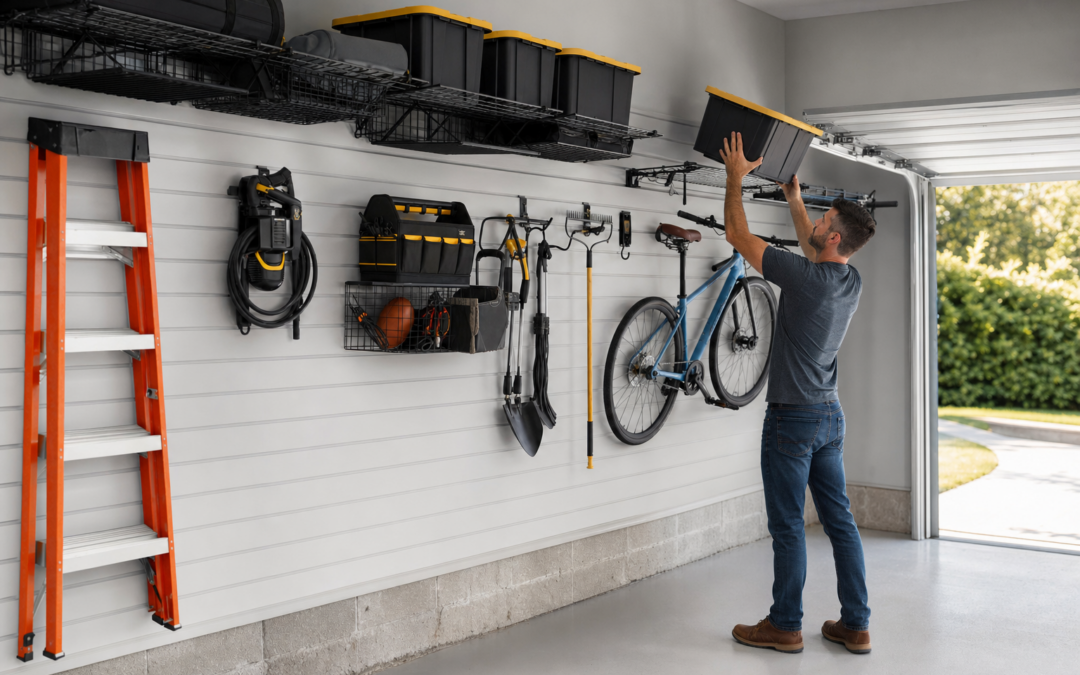
Cluttered garage floors can make it tough to park your car, find your tools, or simply move around safely. Wall-mounted garage storage systems are a practical solution, freeing up valuable floor space and giving everything its own spot. Whether you’re dealing with seasonal gear, tools, or bulky sports equipment, the right system can transform your garage from a catch-all dumping ground into a streamlined, functional space.
With so many options—tracks, pegboards, and wall-mounted cabinets—it’s important to know which approach will work best for your needs. This guide breaks down the main types, how to choose the right one, and what to watch for as you plan your installation.
For a deeper dive into all things garage storage, check out our comprehensive garage storage hub for more guides and tips.
Why Choose Wall-Mounted Garage Storage?
Wall-mounted storage systems take advantage of vertical space—something most garages have in abundance. By moving storage off the floor, you unlock several advantages:
- Maximized floor space: Allows for easier parking and movement.
- Reduced trip hazards: Keeps tools and gear off the ground, making your garage safer.
- Better organization: Everything has a designated place, reducing clutter.
- Customizable: Many systems can be adapted or expanded as your needs change.
Wall-mounted options generally include slat walls, pegboards, track systems, and cabinets. Each offers its own strengths in terms of flexibility, load-bearing capacity, and aesthetics.
Slat Wall Systems: Flexible and Expandable
Slat wall panels have become a garage favorite for good reason. These panels mount directly to wall studs and feature horizontal grooves that accept a variety of hooks, baskets, and shelves. The beauty of slat walls is their adaptability—move hooks and accessories with ease as your storage needs evolve.
Key advantages include:
- Easy reconfiguration without tools
- Strong support for hand tools, gardening gear, and even some heavier items
- Neat, uniform appearance
Installation does require careful measurement and secure mounting to studs for safety. Some panels are moisture-resistant, making them suitable for garages that see temperature swings or occasional dampness.

FRAYSCENT Slat Wall Paneling Garage Wall Organizer Review — A FRAYSCENT pick in Mounted Storage Systems that focuses on real-world usability Key figures include 30 , 4ft, 1ft.
Pegboard Walls: Classic, Customizable Storage
Pegboard is a time-tested garage storage solution that remains popular for good reason. Made from wood, metal, or composite materials, pegboard sheets are dotted with evenly spaced holes that accept hooks, tool holders, bins, and shelves. They’re ideal for keeping hand tools, small parts, and hobby gear visible and within easy reach.
Notable features of pegboard storage:
- Highly customizable layout
- Affordable and widely available
- Works with a wide range of pegboard-specific accessories
- Easy to install on most garage walls, but needs secure anchors or furring strips
Metal pegboards are especially durable and can hold heavier items than traditional hardboard panels. Remember to check the weight ratings for both the board and the attachments you choose.
Track Systems: Heavy-Duty Versatility
Track-based garage storage systems use horizontal rails that mount to the wall and accept a range of compatible hooks, baskets, and shelves. These are especially well-suited for storing larger items—think lawn tools, ladders, hoses, or even bicycles. You can slide or reposition accessories as needed, and many systems are designed to support significant weight if anchored properly.
Considerations when choosing a track system:
- Look for steel or heavy-duty aluminum tracks for durability
- Check accessory compatibility before you buy additional hooks or shelves
- Plan your track layout to maximize wall space and minimize wasted gaps
Track systems can be more expensive up-front but often pay off with their ruggedness and flexibility.
Wall-Mounted Cabinets: Secure, Hidden Storage
If you want to keep items dust-free and out of sight, wall-mounted cabinets are an excellent choice. These can be installed above workbenches, along side walls, or in overhead spaces that would otherwise go unused. Cabinets keep chemicals, paints, or valuable tools secured behind closed doors—especially important if you have kids or pets.
When shopping for garage cabinets, look for:
- Sturdy steel or heavy-duty composite construction
- Locking options for added security
- Adjustable shelves for flexible storage
- Easy-clean surfaces to handle garage dust and grime
Wall cabinets should always be anchored into studs or masonry for safety, as they can become dangerously heavy when loaded.

Torin Garage Storage Cabinet System,Workshop Cabinet Set in Black Review — A Torin pick in Mounted Storage Systems that focuses on real-world usability Key figures include 12 , 4 , 1.

Torin Garage Storage Cabinets System Review — A Torin pick in Mounted Storage Systems that focuses on real-world usability Key figures include 9 , 2, 4.
How to Plan Your Wall-Mounted Garage Storage Layout
Before you start drilling holes or ordering panels, take time to plan your garage storage layout. A thoughtful approach saves time and reduces installation headaches. Here’s how to get started:
- Measure your available wall space. Account for doors, windows, outlets, and any obstructions.
- List what you need to store. Group items by category—tools, sports gear, chemicals, seasonal items, etc.
- Decide which types of wall storage fit your needs. Slat walls and pegboards are great for tools; cabinets work for chemicals or valuables; tracks suit bulky or heavy items.
- Sketch a rough layout. Consider traffic flow and ensure you maintain clear walkways and access to outlets or windows.
- Check load ratings. For heavy items, make sure your chosen system can handle the weight and that you’ll be anchoring into studs or masonry, not just drywall.
It’s often helpful to install a mix of systems—pegboard above the workbench, slat wall for garden tools, and cabinets for paint or car care products, for example.
Installation Tips and Safety Considerations
Proper installation is key to both safety and long-term satisfaction with your wall-mounted storage. Here are some best practices:
- Locate studs or masonry anchors: Use a stud finder or masonry drill anchors to ensure your system is properly supported.
- Use appropriate hardware: Don’t rely on drywall anchors for heavy loads. Most systems include mounting hardware, but always double-check compatibility with your wall type.
- Level your installations: Use a level and measuring tape to ensure shelves, tracks, or panels are straight and evenly spaced.
- Follow weight limits: Even the toughest wall system has a maximum capacity. Distribute weight evenly and avoid overloading hooks or shelves.
- Leave room for expansion: Plan for future storage needs by leaving some open space or choosing expandable systems.
If you’re not comfortable with power tools or heavy lifting, consider hiring a professional installer—especially for large cabinet systems.
Combining Cabinet, Track, and Pegboard Storage
One of the biggest advantages of wall-mounted garage storage is the ability to mix and match systems for a custom solution. Here are a few strategies:
- Cabinets above, tracks below: Install wall cabinets at eye level for secure storage, and use track or slat wall systems below for easy access to frequently used tools.
- Pegboard backdrops for workbenches: Hang a pegboard above your workbench to keep hand tools organized and visible.
- Slat wall for flexible accessory storage: Use slat wall on one section for sports gear, hooks, and baskets, and another section for garden tools or extension cords.
Don’t be afraid to get creative—just be sure to anchor each component securely and keep weight distribution in mind.
Maintenance and Long-Term Organization Strategies
A tidy garage doesn’t happen by accident. Once your wall-mounted storage is in place, a little ongoing effort keeps things organized for the long haul:
- Label shelves, bins, and cabinet doors to save time searching for items.
- Rearrange hooks and shelves seasonally—for example, bring snow shovels to the front in winter, swap for rakes in spring.
- Regularly declutter by purging items you no longer use or need.
- Wipe down panels and cabinets to prevent dust buildup and maintain a clean appearance.
Establishing simple routines—like returning tools to their hooks after each use—pays off in long-term efficiency and satisfaction.
Wall-Mounted Storage for Specialized Needs
Some homeowners have unique storage challenges, such as:
- Bikes and sports equipment: Use heavy-duty hooks or specialized wall-mounted racks that can handle weight and odd shapes.
- Power tool storage: Slat wall and pegboard accessories designed for power tools can keep chargers, batteries, and cords tidy.
- Chemicals and paints: Secure, lockable wall-mounted cabinets keep hazardous materials out of reach of children and pets.
- Gardening supplies: Track systems with deep baskets or slat wall panels with tool hooks accommodate long-handled tools and bulky items.
For each use case, check the dimensions and specs of your chosen system to ensure it fits your items and will support the weight safely.

VIYET Garage Cabinet System Review — VIYET mounted storage systems gear aimed at buyers who want clear specs before they click through. Key figures include 6.
What to Look for When Shopping Wall-Mounted Garage Storage
With dozens of brands and styles on the market, it’s easy to get overwhelmed. Here’s a checklist to help you narrow your options:
- Material: Steel and heavy-duty composites offer the best durability, especially in garages exposed to moisture or temperature swings.
- Finish: Powder-coated metal resists rust and scratches, while plastic-coated panels are easy to clean.
- Modularity: Look for systems that allow you to add accessories or expand later.
- Weight capacity: Double-check the manufacturer’s ratings for each component—not just the panels, but also the hooks and shelves.
- Ease of installation: Pre-drilled panels, included hardware, and clear instructions make a big difference.
- Warranty and support: Longer warranties and accessible customer service are a plus, especially for pricier cabinet systems.
Reading customer reviews can also give you insight into real-world durability and ease of use.
Frequently Asked Questions About Wall-Mounted Garage Storage
- Can I install wall-mounted storage on drywall? For most systems, you’ll need to anchor directly into wall studs or masonry. Drywall alone won’t support much weight.
- What’s the difference between slat wall and pegboard? Slat wall uses horizontal grooves and proprietary accessories, while pegboard has evenly spaced holes for standard hooks. Slat wall is generally more versatile for heavier items.
- Are wall-mounted cabinets safe for chemicals? Yes, provided they have locking doors and are mounted securely. Always check the manufacturer’s recommendations for weight and use.
- How do I store bikes or ladders on the wall? Use heavy-duty hooks or wall-mounted racks rated for the weight and size of the item. Always check anchor points to avoid accidents.
- Can I mix different brands or systems? Sometimes, but not always—all accessories will not fit all panels or tracks. Stick with one brand for each system unless you verify compatibility.
Final Thoughts: Making the Most of Your Wall Space
Wall-mounted garage storage systems are one of the smartest upgrades you can make for a safer, more functional garage. By carefully assessing your needs and choosing the right combination of slat walls, pegboards, tracks, and cabinets, you can reclaim valuable floor space and make your garage work for you—not against you. Remember to prioritize safety and flexibility, and you’ll enjoy a tidy, organized space for years to come.
Ready to get started? Review the options above, measure your space, and invest in a system that fits both your storage needs and your garage’s unique layout. For even more garage organization ideas, don’t miss our main garage storage resource—packed with guides, tips, and expert reviews.
Essential Checklist for Planning Wall-Mounted Garage Storage
Before purchasing or installing a wall-mounted storage system, it’s important to evaluate your needs and space. Use this checklist to ensure you cover all the bases:
- Assess your inventory: Make a list of items you want to store. Group them by type (tools, sports gear, chemicals, seasonal items) and size.
- Measure available wall space: Measure the height and width of your garage walls, accounting for doors, windows, and obstructions.
- Check wall structure: Confirm that your garage walls can support mounted systems. Locate wall studs and note areas with drywall, masonry, or other materials.
- Determine weight requirements: Estimate the total weight you’ll be storing and check the load capacity of your chosen system.
- Plan for future needs: Consider how your storage needs might change. Choose systems that allow for expansion or reconfiguration.
- Set a budget: Factor in the cost of the system, installation hardware, and any accessories.
- Gather tools: Make sure you have the necessary tools (stud finder, level, drill, anchors, screws) for installation.
Common Mistakes to Avoid with Wall-Mounted Garage Storage
Even the best storage system won’t work well if installed or used incorrectly. Here are some frequent pitfalls and how to avoid them:
- Ignoring weight limits: Overloading shelves or hooks can damage your wall and create safety hazards. Always check manufacturer guidelines.
- Improper installation: Failing to anchor storage units to wall studs or using the wrong fasteners can lead to collapse. Use a stud finder and appropriate hardware for your wall type.
- Poor layout planning: Randomly placing storage can waste valuable wall space. Sketch a layout before drilling any holes to maximize efficiency.
- Blocking access: Avoid mounting storage where it will obstruct doors, windows, outlets, or your ability to park your car.
- Forgetting about clearance: Ensure that cabinet doors can open fully and that hooks or bins don’t protrude into walkways.
- Neglecting ventilation: Don’t store items that require airflow (like paints or chemicals) in airtight cabinets unless they’re specifically designed for that purpose.
- Not labeling: Especially on closed cabinets or bins, forgetting to label contents leads to confusion later. Use clear labels or see-through bins where possible.
Maintenance Tips for Wall-Mounted Garage Storage Systems
To keep your garage storage system safe and functional for years to come, regular maintenance is essential. Here’s how to care for your setup:
- Inspect hardware: At least twice a year, check screws, bolts, and anchors for tightness. Retighten or replace as necessary.
- Clean surfaces: Dust and wipe down shelves, cabinets, and panels regularly to prevent buildup and corrosion.
- Check for rust or damage: Especially on metal systems, look for signs of rust or warping. Treat rust promptly or replace damaged parts.
- Reorganize seasonally: Swap out stored items based on the season (for example, snow shovels in winter, gardening tools in summer) to keep your system efficient.
- Test weight limits: If you acquire heavier items, ensure your system can safely support the added weight before storing them.
- Lubricate moving parts: For cabinets or tracks with hinges or sliders, apply lubricant as needed to keep everything operating smoothly.
Regular upkeep not only extends the life of your storage system but also helps prevent accidents caused by loose or overloaded components.
Frequently Asked Questions About Wall-Mounted Garage Storage
Can I install wall-mounted storage on masonry or concrete walls?
Yes, but you’ll need specialized hardware such as masonry anchors or concrete screws. Use a hammer drill to create pilot holes, and always check the weight capacity of your anchors. Some systems offer masonry-specific installation kits.
How much weight can wall-mounted systems hold?
This varies widely by product and installation method. Most slat walls and tracks can support 50–100 pounds per linear foot when properly anchored to studs. Pegboards and cabinets have their own ratings—always consult manufacturer specs before loading up your system.
Is it safe to hang bicycles or heavy items?
With the right hardware and secure installation, yes. Use purpose-built hooks or racks rated for the weight of your bike or equipment. Always anchor directly into studs or use heavy-duty wall anchors designed for your wall type.
What if my garage walls have insulation or drywall?
You can still install wall-mounted systems, but it’s important to locate the studs behind the drywall and anchor directly into them. Avoid relying solely on drywall anchors for heavy loads. If you have thick insulation, consider surface-mounting furring strips or plywood panels first.
How do I keep my storage system looking neat?
Choose matching accessories and keep similar items grouped together. Use labeled bins, baskets, or clear containers to corral small items. Periodically declutter to remove things you no longer use, and wipe down surfaces to prevent dust and grime buildup.
Can I mix different types of wall-mounted storage?
Absolutely. Many garages benefit from combining slat walls, pegboards, tracks, and cabinets to suit different storage needs. Just be sure to plan your layout so each system has enough space and doesn’t interfere with others.
Do I need professional installation?
Most DIYers can install wall-mounted storage with basic tools and careful planning. However, if you’re unsure about wall structure, weight limits, or have a large system, consider hiring a professional to ensure safety and optimal performance.
Safety Tips for Wall-Mounted Garage Storage
Safety should always be a top priority when installing and using wall-mounted storage. Keep these tips in mind:
- Store hazardous materials safely: Chemicals, paints, and sharp tools should be kept in locked cabinets out of reach of children and pets.
- Distribute weight evenly: Avoid loading all heavy items on one section of the wall—spread them out to reduce stress on anchors and studs.
- Keep walkways clear: Ensure that nothing protrudes into paths where people or vehicles move.
- Use safety gear: Wear gloves and eye protection when installing storage systems, especially when drilling into walls.
By following these guidelines, you’ll create a safer, more organized, and longer-lasting garage storage setup.